Remodeling a Bathroom in an Older Detroit-Area Home: Plaster, Cast Iron & the Hidden Costs (2026)
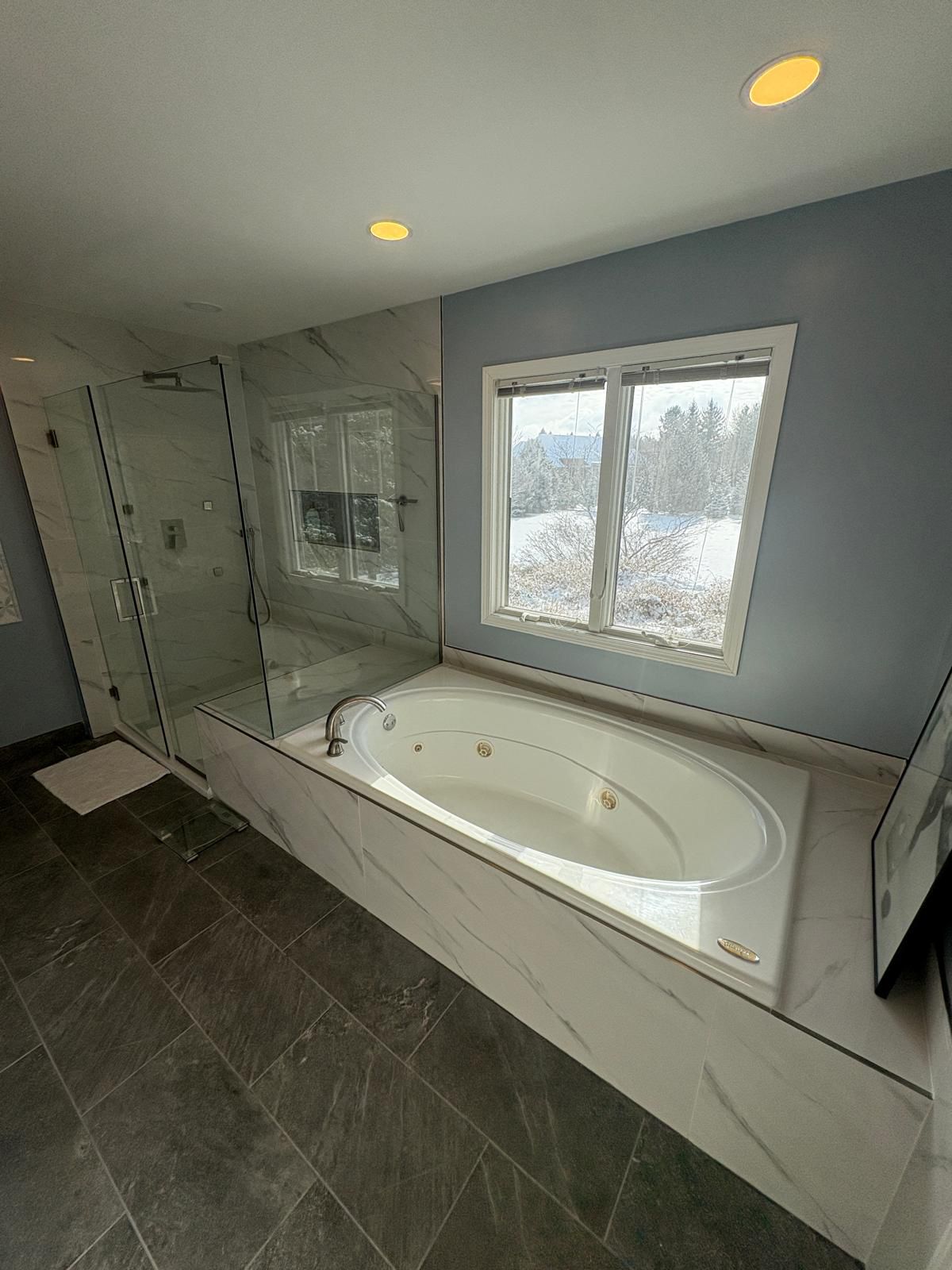
Detroit, Dearborn, Hamtramck, Ferndale, Royal Oak, Pontiac and the inner-ring suburbs are full of beautiful homes built between the 1920s and the 1970s. They have character a new build can't match — and they also have a habit of revealing surprises the moment a bathroom wall comes down. If you own one of these homes, this guide will help you remodel with your eyes open and your budget prepared.
Why Pre-1980 Detroit-Area Homes Are Different
A bathroom remodel in a 2005 subdivision home and a bathroom remodel in a 1948 brick bungalow are not the same project — even if they look identical on the surface. Older homes were built with materials and methods that have since been replaced: plaster instead of drywall, cast iron instead of PVC, cloth-wrapped wiring instead of modern grounded circuits. None of this means your home is a problem. It just means an experienced contractor needs to plan for what's behind the walls, and you need a realistic budget with room for the unexpected.
Plaster-and-Lath Walls: Repair or Replace?
Most pre-1950s Detroit-area homes have plaster-and-lath walls — wet plaster troweled over thin wood strips. It's solid and dense, but it doesn't behave like drywall. Once you open a wall for new plumbing, the surrounding plaster often cracks or crumbles at the edges.
In a bathroom remodel, the usual decision is to remove the old plaster in the wet areas entirely and rebuild with cement board and a modern waterproofing system — that's non-negotiable behind a tiled shower. Plaster on non-wet walls can sometimes be patched and saved. Either way, budget for more wall repair than a newer home would need.
Cast-Iron Drain Stacks: When They Have to Go
Older homes drain through cast-iron pipe. Cast iron can last a very long time, but after 60 to 90 years it corrodes from the inside, scales up, and eventually cracks. If your bathroom is already open, it is almost always the right moment to assess the drain stack.
If the cast iron is failing, replacing the accessible section with modern PVC is a meaningful line item — often a few hundred to a few thousand dollars depending on access and how much pipe is involved. It is not a fun surprise, but discovering it during a planned remodel is far cheaper than discovering it as a leak through your ceiling next year.
Knob-and-Tube and Ungrounded Outlets
Bathrooms in older Detroit-area homes frequently still have knob-and-tube wiring or two-prong ungrounded outlets. Modern Michigan electrical code requires GFCI protection for bathroom circuits, and any wiring you expose during a remodel needs to meet current standards.
In practice this means a licensed electrician will likely need to run a new grounded circuit and add GFCI protection. It's a safety upgrade you'd want regardless — water and outdated wiring are a genuinely dangerous combination — but it should be in the budget from day one, not treated as a surprise.
Asbestos Floor Tile and Mastic
Many homes built before the early 1980s have vinyl or asphalt floor tile — often 9x9-inch tiles — and the black adhesive (mastic) underneath that may contain asbestos. Asbestos is only a hazard when it's disturbed and made airborne, which is exactly what demolition does.
If your home has suspect flooring, the safe path is to have it tested before demolition. If it tests positive, licensed abatement is the correct step — not a DIY weekend. This is one of the most important reasons not to start swinging a hammer in an old bathroom without a professional assessment first.
The Original Cast-Iron Tub: Keep, Refinish, or Remove?
Old Detroit-area homes often have a heavy, porcelain-coated cast-iron tub — and they're genuinely well-made. You have three options:
- Keep it — if it's structurally sound and the look fits your design, a vintage cast-iron tub is a feature, not a flaw.
- Refinish it — professional reglazing can make a tired surface look new for a fraction of replacement cost.
- Remove it — if you're converting to a walk-in shower, be aware that cast-iron tubs are extremely heavy and removal takes real labor (and sometimes breaking it up to get it out of a narrow space).
Permits for a Substantial Older-Home Remodel
Plumbing, electrical, and structural work in a Michigan bathroom remodel almost always require permits, and that's especially true once you're touching the systems in an older home. Cities across Metro Detroit each have their own process. A licensed contractor handles permits and inspections for you — and in an older home, the inspection is genuinely valuable, because it's a second set of trained eyes confirming the upgraded systems are safe.
Realistic Budget Bands for an Older-Home Bathroom Remodel
Because of the factors above, a bathroom remodel in a pre-1980 Detroit-area home typically runs higher than the same-size project in newer construction. Realistic 2026 ranges:
| Project Scope | Typical Range |
|---|---|
| Mid-range remodel, older home | $18,000 – $35,000 |
| Full remodel with systems upgrades | $30,000 – $50,000 |
| High-end / historic master bath | $45,000 – $60,000+ |
The single most important budgeting rule for an older home: set aside a 15–20% contingency. On a $30,000 remodel, that's $4,500–$6,000 held in reserve for whatever the walls reveal. If you don't need it, wonderful. If you do, you won't have to halt the project to find the money.
Remodeling a Bathroom in an Older Detroit-Area Home?
Stone Works Remodeling has worked in the historic homes of Detroit, Ferndale, Royal Oak, Dearborn and Pontiac for years. We know what's behind those walls — and we'll give you an honest, realistic plan and quote.
Schedule a Free In-Home AssessmentOr call us directly: (248) 346-8926
Our Related Services
Bathroom Remodeling Services in Metro Detroit
Planning a bathroom remodel in Michigan? Stone Works Remodeling provides professional bathroom remodeling services across Metro Detroit, including Detroit, Troy, Novi, and surrounding areas.
View Bathroom Remodeling ServicesTransform Your Bathroom with Stone Works Remodeling
Inspired by this article? Contact our expert team to bring your bathroom vision to life in Metro Detroit.
Get a Free Consultation