Walk-In Tub vs. Walk-In Shower in Michigan: Which Is Right for Aging in Place? (2026)
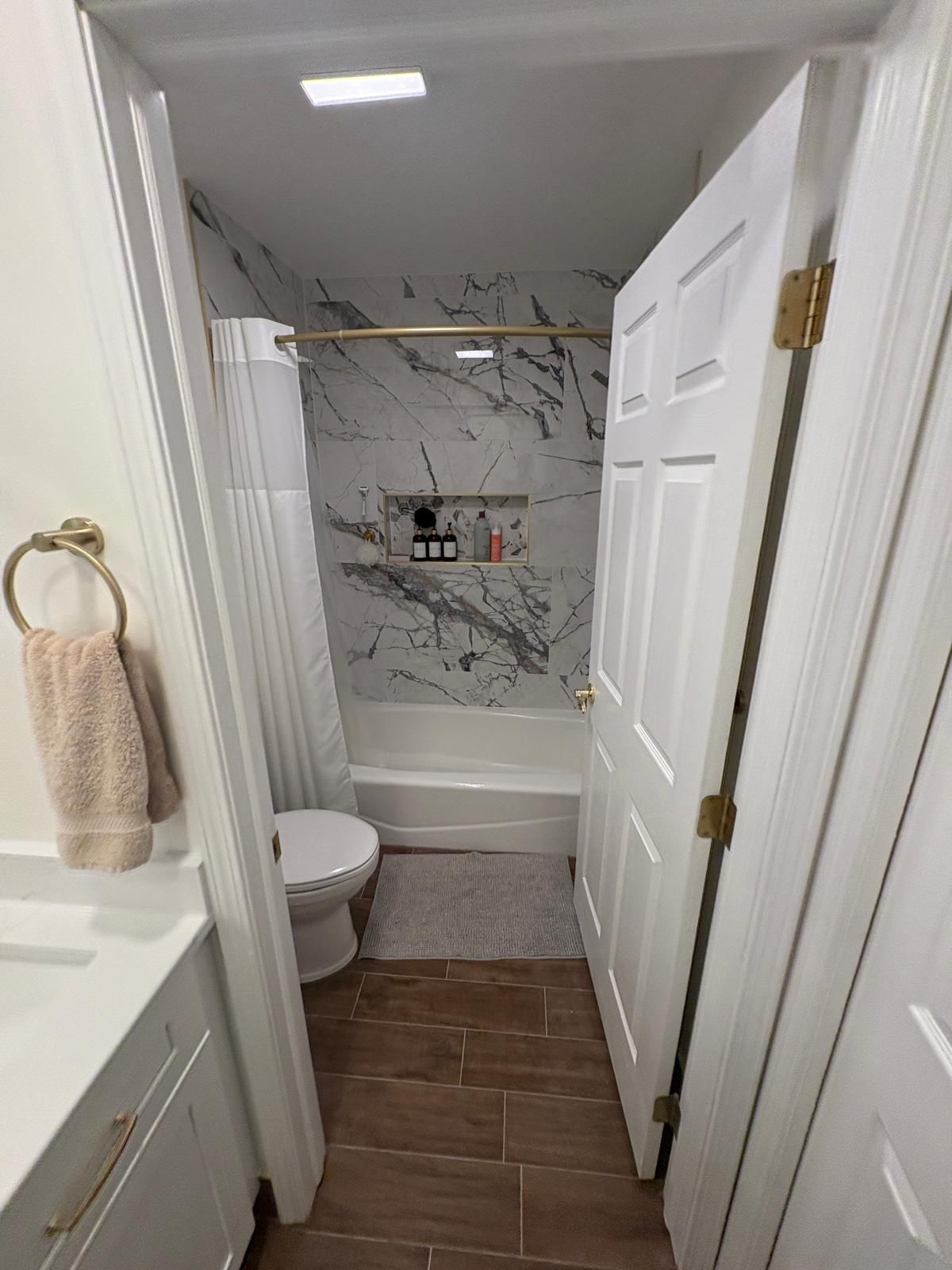
For many Michigan homeowners, the goal is simple: stay in the home they love, safely, for as long as possible. The bathroom is where that decision usually starts — it's the highest-risk room in the house. The two main accessible upgrades are a walk-in tub and a curbless walk-in shower, and they suit very different people. Here's an honest comparison to help you choose.
What Is a Walk-In Tub?
A walk-in tub has a watertight, hinged door built into the side, so you step in over a low threshold rather than climbing over a high tub wall. You sit on a built-in seat while the tub fills and drains around you. Most include grab bars, a non-slip floor, and many add therapeutic features like heated surfaces or water jets. The trade-off: you wait for the tub to fill and drain while seated inside it, so the door seal can stay closed.
What Is a Walk-In (Curbless) Shower?
A curbless walk-in shower removes the threshold entirely — the shower floor is level with the bathroom floor, so there's nothing to step over and nothing to trip on. It's the most universally accessible option: it works for someone using a walker, a shower wheelchair, or no aid at all. Add a fold-down or built-in bench, grab bars, and a handheld showerhead, and it serves people across a wide range of mobility levels.
Side-by-Side Comparison
| Factor | Walk-In Tub | Walk-In Shower |
|---|---|---|
| Threshold to cross | Low step-in (a few inches) | None — fully curbless |
| Wheelchair / walker access | Limited | Excellent |
| Soaking / therapy | Yes — its main strength | No (shower only) |
| Wait time | Seated while filling/draining | None |
| Resale appeal | Niche buyer | Broad — modern and stylish |
| Typical Michigan cost | $5,000 – $15,000 | $6,000 – $18,000+ |
Safety: The Part That Matters Most
Both options dramatically reduce fall risk compared to a standard tub. The right choice depends on the person:
- A walk-in tub shines for someone who loves a warm soak and can comfortably sit and stand from a built-in seat, but for whom climbing over a tub wall has become risky.
- A curbless walk-in shower is the better choice for anyone who uses — or may soon use — a walker or wheelchair, or who finds sitting and waiting for a tub to fill uncomfortable.
- For Michigan winters, pairing either option with a heated floor and slip-resistant stone or textured tile is a meaningful comfort and safety upgrade.
One honest point about walk-in tubs: because you're seated inside while it fills and drains, the experience involves sitting in air, then water, then air again. Some people love the soak enough that this doesn't bother them; others find it chilly. It's worth thinking through before you decide.
Funding Programs That May Help
Accessible bathroom modifications can qualify for assistance through several programs. Caps and eligibility rules change, so confirm current figures directly with each agency before counting on them — but as a starting point:
- VA HISA grant — the Home Improvements and Structural Alterations grant helps eligible veterans pay for medically necessary home modifications, including accessible bathrooms, up to a published lifetime maximum. Confirm your eligibility and the current cap with the VA.
- USDA Section 504 Home Repair program — for eligible rural homeowners, this offers low-interest repair loans, and grants for very-low-income homeowners aged 62 and older to remove health and safety hazards. Loan and grant maximums are set by USDA Rural Development.
- Habitat for Humanity Aging in Place — many local Habitat affiliates run home modification programs for older homeowners. Availability varies by county.
Some Medicaid waiver programs and long-term-care policies may also contribute toward medically necessary modifications. Standard Medicare generally does not cover walk-in tubs as a home improvement. A quick call to each program — or a benefits counselor — is the best way to learn what you actually qualify for.
So Which Should You Choose?
Choose a walk-in tub if: the person genuinely values soaking and warm-water therapy, can sit and rise from a seat comfortably, and the bathroom will primarily serve them rather than a wide range of users.
Choose a curbless walk-in shower if: you want the most universally accessible option, you're planning for changing mobility over time, or this is a shared or primary bathroom where everyday flexibility and resale appeal matter.
For most Michigan homeowners planning to age in place in a home they'll keep for years, a well-designed curbless shower is the more flexible long-term choice. But the walk-in tub is the right answer for the right person — and an honest contractor will tell you which one fits your situation.
Planning an Accessible Bathroom in Michigan?
Stone Works Remodeling designs safe, beautiful aging-in-place bathrooms across Metro Detroit — walk-in tubs, curbless showers, grab bars built into the tile, and heated floors. Get an honest recommendation for your needs.
Book a Free Accessibility ConsultationOr call us directly: (248) 346-8926
Bathroom Remodeling Services in Metro Detroit
Planning a bathroom remodel in Michigan? Stone Works Remodeling provides professional bathroom remodeling services across Metro Detroit, including Detroit, Troy, Novi, and surrounding areas.
View Bathroom Remodeling ServicesTransform Your Bathroom with Stone Works Remodeling
Inspired by this article? Contact our expert team to bring your bathroom vision to life in Metro Detroit.
Get a Free Consultation